
The Hills of Liguria, Triora, Italy
Weekend with Bertie — Trip.13

Where Italy keeps its secrets in the stone
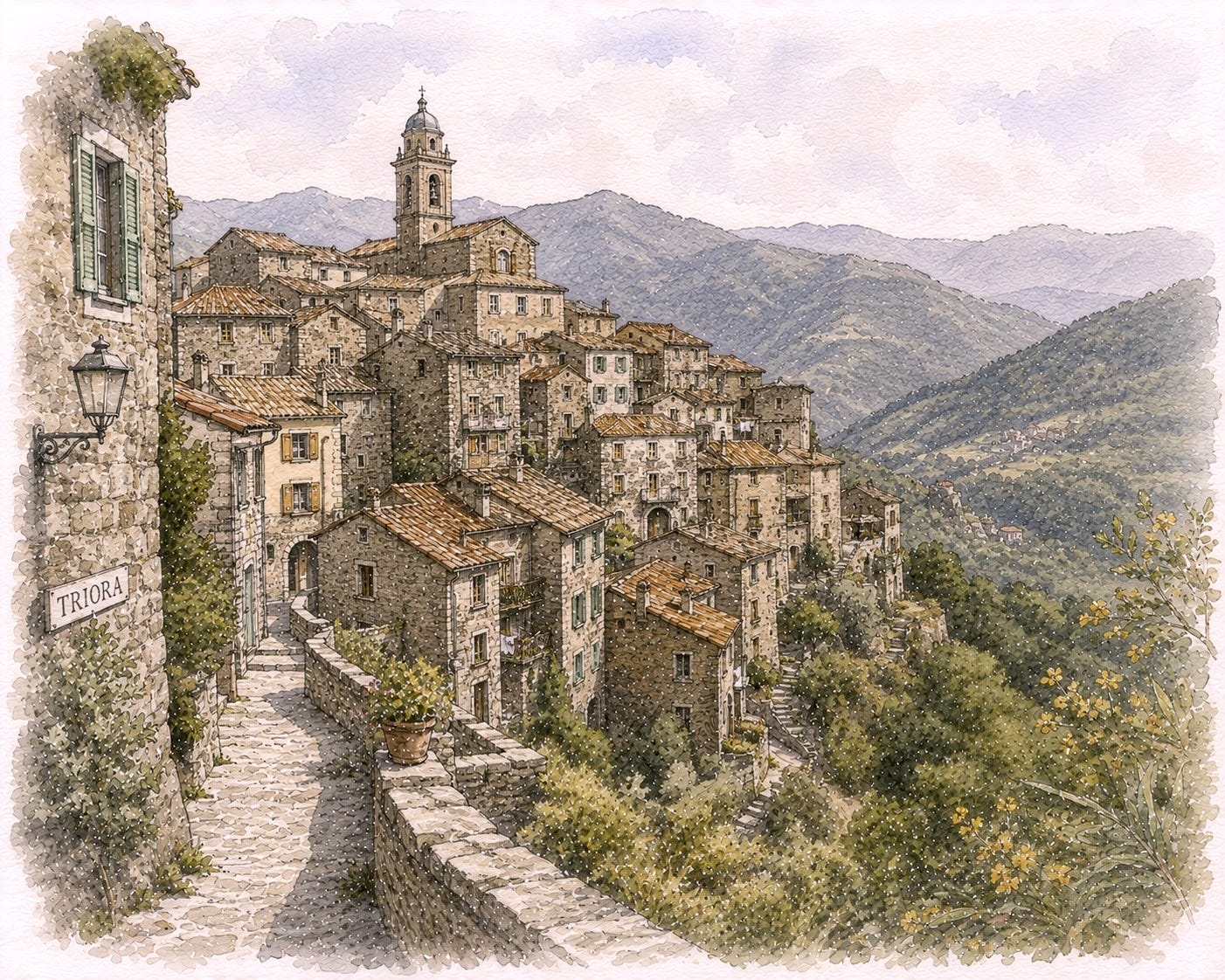
Some places feel as if they were built to hold onto silence.
Triora is one of them.
High in the hills of Liguria, with stone lanes, steep steps, old arches, mountain air, and that slightly mysterious feeling some villages carry without trying, it does not arrive like postcard Italy. It arrives like the quieter thought behind it.
I have always liked that.
Italy is full of places that are easy to love. But the hidden delight is usually not in the obvious square, the famous coast, or the polished terrace where everyone is already looking. It is in the places that have kept a little shadow, a little age, a little strangeness, and a little dignity for themselves.
Triora does that very well.
Bertie approved almost immediately.
He stood near the edge of a stone lane in his black cap, looking up at the houses as if he were inspecting a village that had chosen altitude, weather, and stubbornness over convenience.
“Now this,” he said, “has not been overmanaged.”
He had a point.
That is the hidden delight here.
Not one famous monument.
Not one grand piazza.
But the whole feel of the place.
The first morning, I kept things simple. A slow coffee. A walk uphill. No urgent plan. In a village like Triora, that already feels like enough.
Because this is not a place for rushing.
It rewards those who notice.
A worn stone step.
A dark archway.
A shutter half open.
A cat with better timing than most people.
A narrow lane that seems to turn not because anyone planned it well, but because the hill said so.
That rhythm suits me.
One corner gives you mountain light across old walls. Another gives you a glimpse down into the valley. Another opens into a tiny square that feels more like a pause than a destination. Then suddenly the whole place starts making sense. This is not a village trying to charm strangers. It is a village that learned long ago how to hold together against weather, slope, and time.
I love that.
Because Triora is not polished.
It is layered.
The beauty comes from age, use, repair, stone, timber, shadow, and weather. It comes from the fact that the place still looks as though it belongs to itself. No performance. No smoothing out. No need to explain why it matters.
Bertie became unexpectedly thoughtful.
Partly because old hill towns improve his manners.
And partly because even he understood that in a place like this, attention works better than commentary.
A wise policy.
Triora has that effect. It slows the eye down. It makes details more generous. A doorway matters. So does a railing, a patch of ivy, a crooked wall, a bell somewhere up the lane, the silence between footsteps.
That is where the trip really begins.
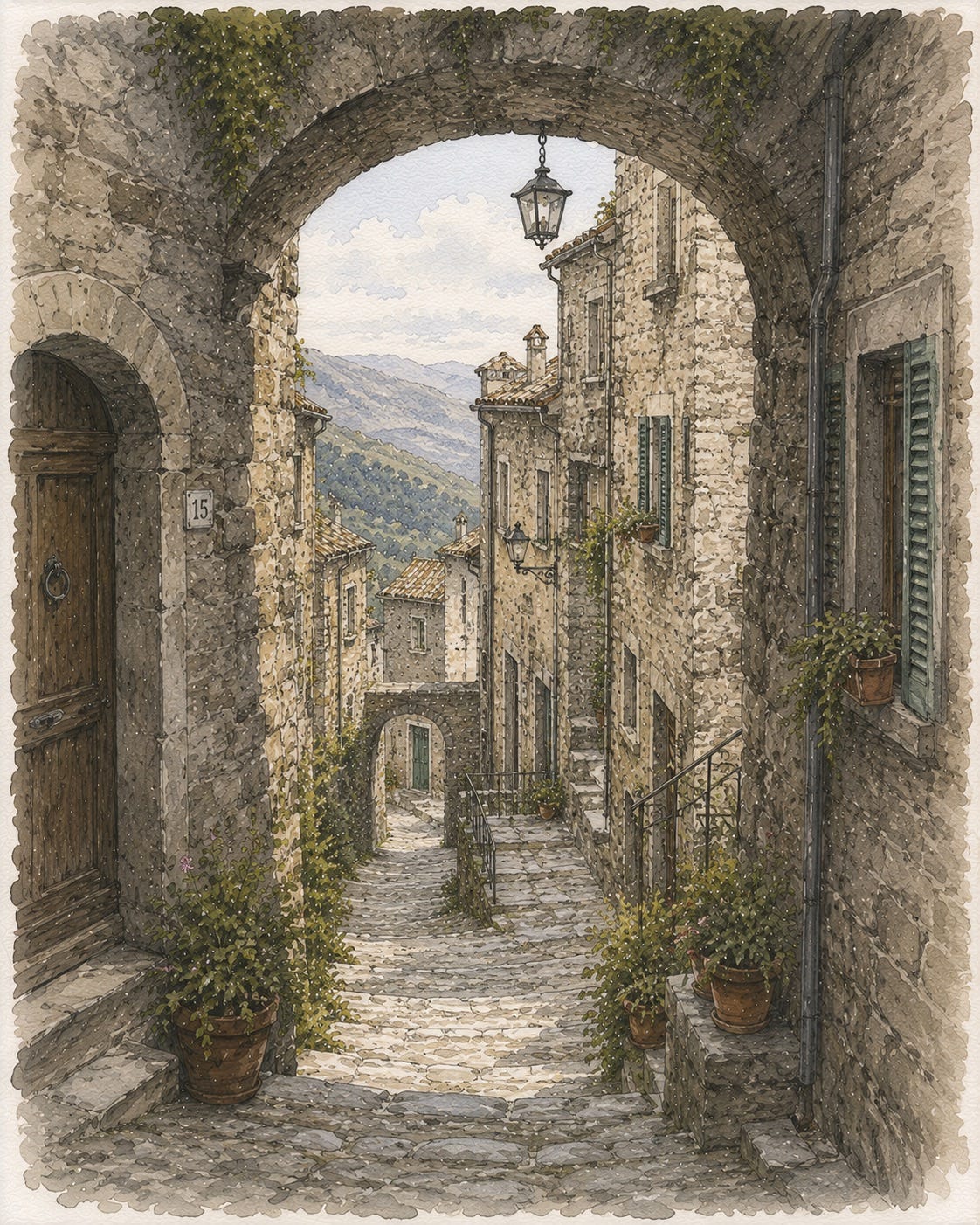
Once the first mood settles in, Triora gets even better.
Then the smaller pleasures begin.
A quiet square in late afternoon. A table with something local and no hurry attached to it. A lane that catches just enough light to feel theatrical without trying. A terrace edge where the mountains remind you that villages like this were never decorative. They were practical first, beautiful later.
Travel gets better when a place keeps some mystery.
Triora certainly does.
It gives you stone, height, shadow, mountain air, narrow lanes, and room. Room to walk. Room to pause. Room to let the place arrive in its own time. That may be the hidden delight.
Not just that Triora is beautiful.
But that it is atmospheric without being fake. Historic without becoming stiff. Quiet without losing its edge. It lets Italy arrive in a more secretive voice, and that suits it very well.
And honestly, that is rare too.
How to get there
Triora works best as a slower inland stop rather than a rushed add-on. The pleasure is in the climb, the approach, the narrowing roads, and the shift from ordinary movement into hill-village rhythm. Give it time for walking, sitting, and one good pause with a view.
Bertie’s last word
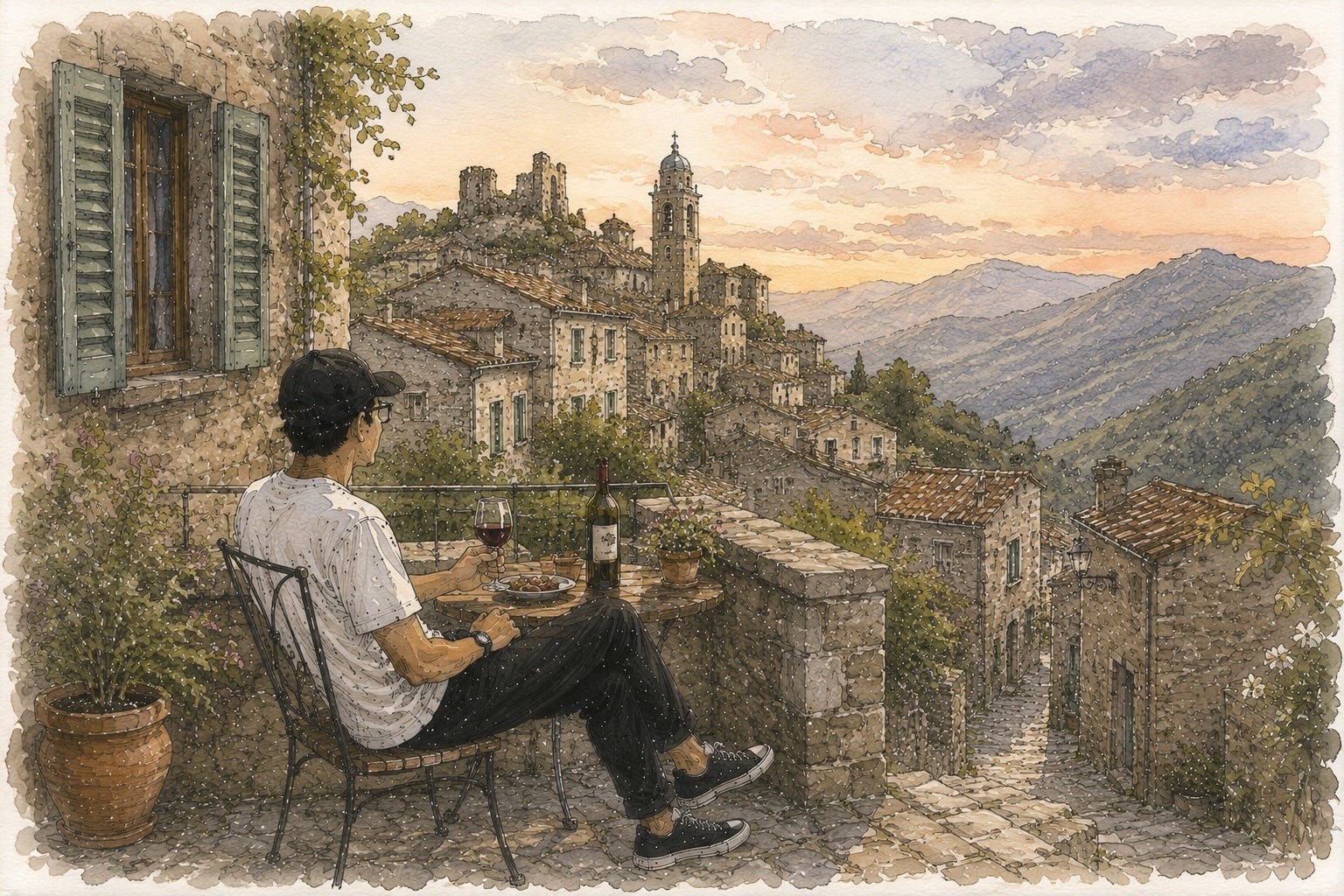
Some places ask to be photographed.
The better ones ask to be read more slowly.
Coming Up Next
Exploring Kenya
Weekend with Bertie — Trip.14